Most people who say they have no personal style actually have a strong one; they just have not looked at it all at once. A mood board is a way of doing that. You collect what you are drawn to over a few weeks, put it side by side, and look for what repeats.
This guide is about using a board as a mirror rather than a shopping plan. It works best if you resist the urge to edit too early.
Step 1: collect without judging, for two weeks
Save every outfit, garment, photo or place that makes you stop. Do not ask whether it is practical, flattering or "you". Save it and move on. Use whatever is easy: screenshots, a private Pinterest board, a folder on your phone.
Two weeks is long enough to get past a single mood, a single trend you happened to see a lot of, or one influencer. Somewhere around forty to sixty images, patterns start to show.
Step 2: put everything on one board
Pin everything to one surface at once. In the mood board maker, add your photos and use the Grid layout so every image gets the same weight. On paper, print small and spread the prints on a table.
Now look for repeats in four places:
- Silhouette. Are the shapes mostly long and loose, or short and fitted? Wide trousers or slim ones? Structured shoulders or soft ones?
- Color. Which colors keep appearing? Check the color chips the maker pulls out; they often show a palette you did not notice choosing.
- Texture. Knits, crisp cotton, denim, leather, silk? Texture is one of the most consistent parts of personal taste and one of the least talked about.
- Mood. If the images were a place, where would it be? A city at night, a farmhouse kitchen, a gallery?
Step 3: find three words
A common exercise among stylists is to describe your style in three words. Look at the board and write down every adjective that fits, then circle the three that feel truest. They do not need to be fashion words. "Practical, warm, slightly odd" is more useful than "classic, chic, elegant", because it tells you what to look for and what to skip.
Write the three words on a note and pin it to the board. From now on, a piece you are thinking about buying should fit at least two of them.
Step 4: compare the board with your wardrobe
This is the step that makes the exercise worth doing. Make a second board with photos of what you actually wear most often: the ten or so pieces you reach for every week. Put the two boards side by side.
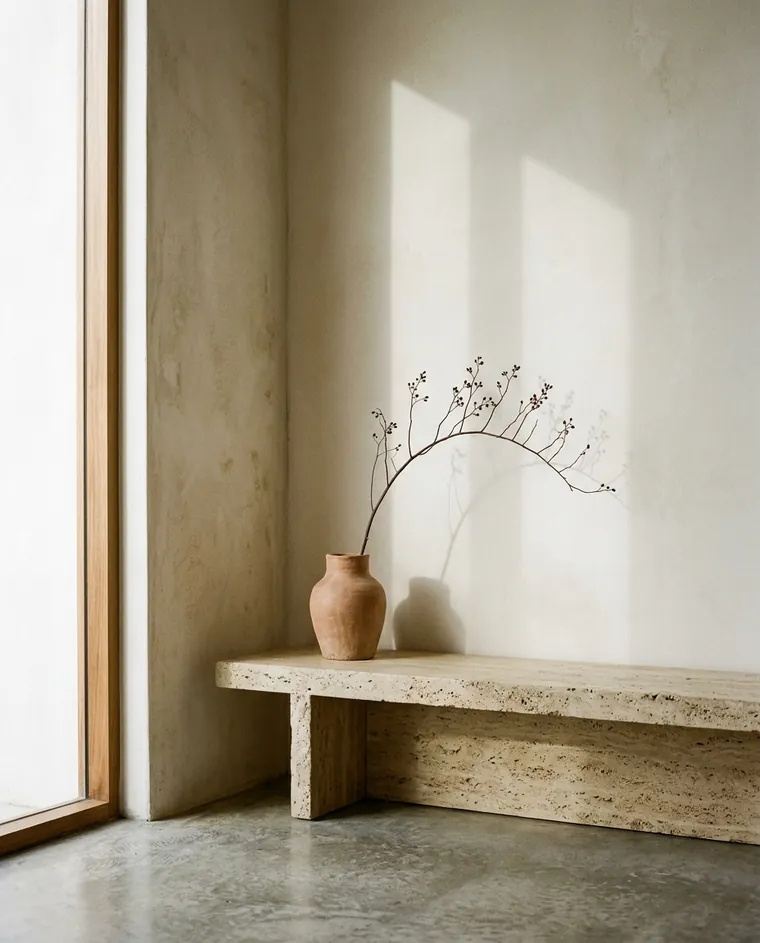
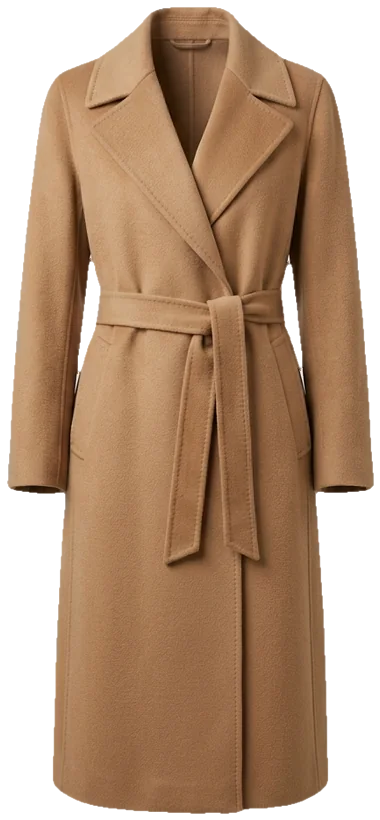
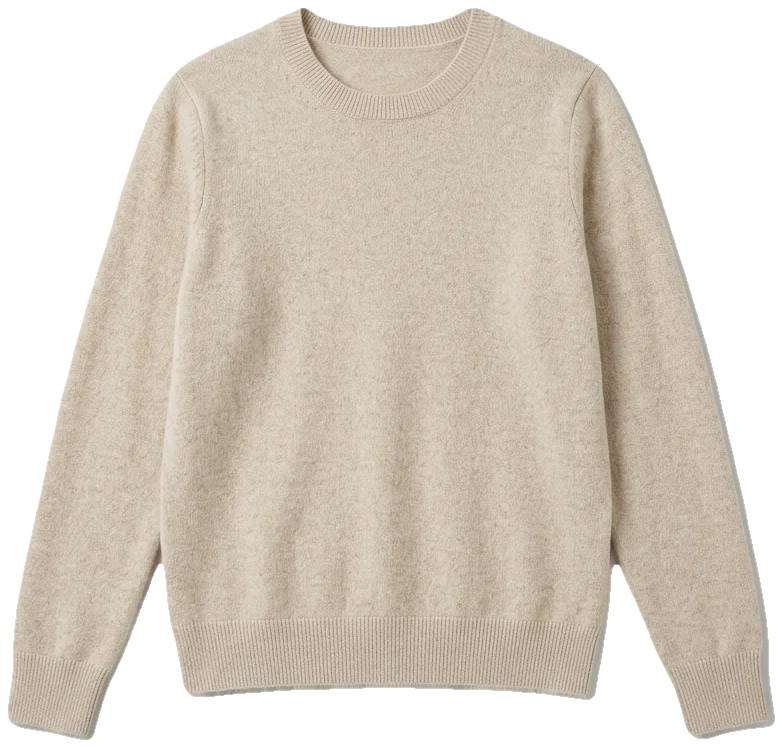
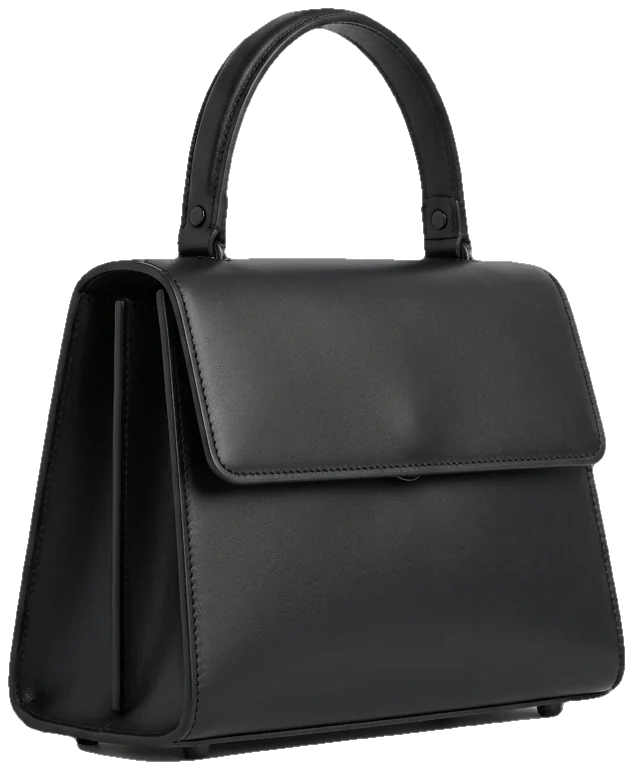
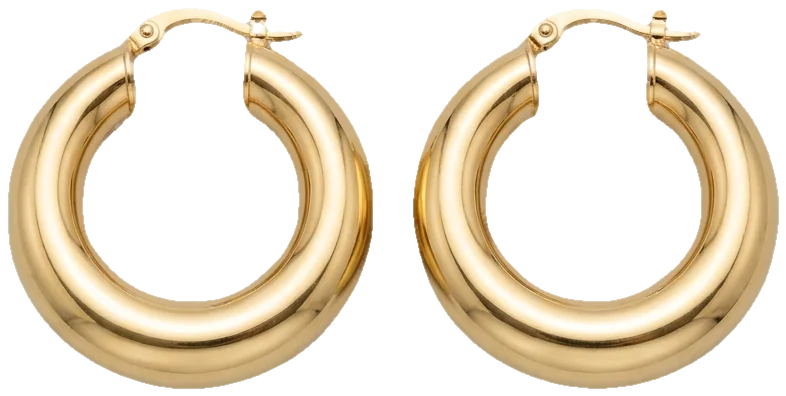
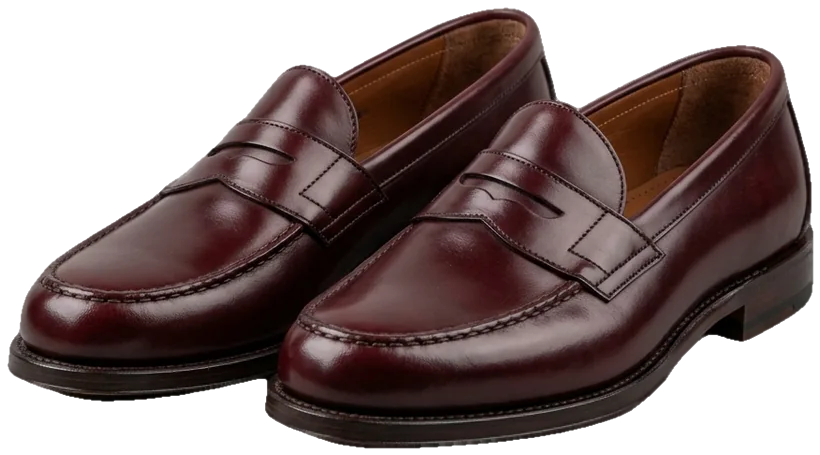
fewer, better. no visible logos.
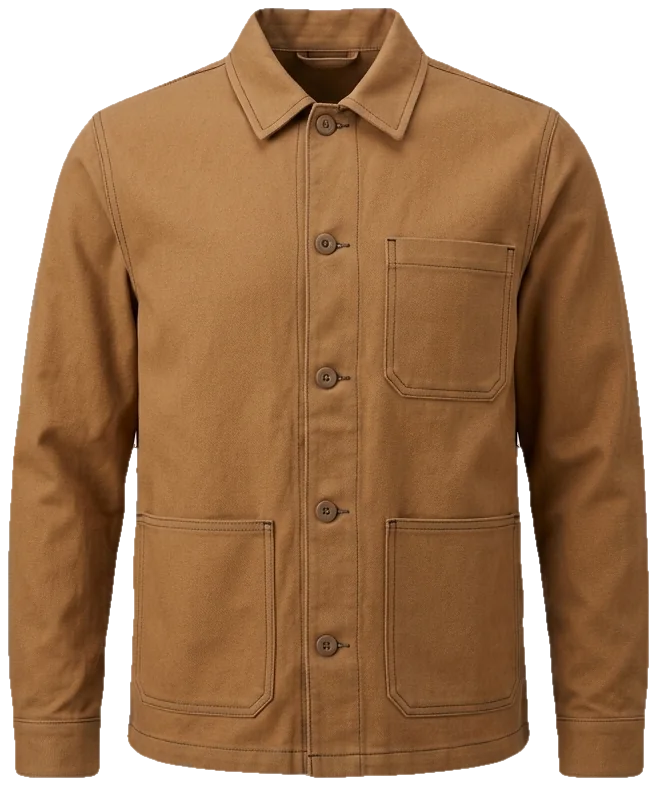
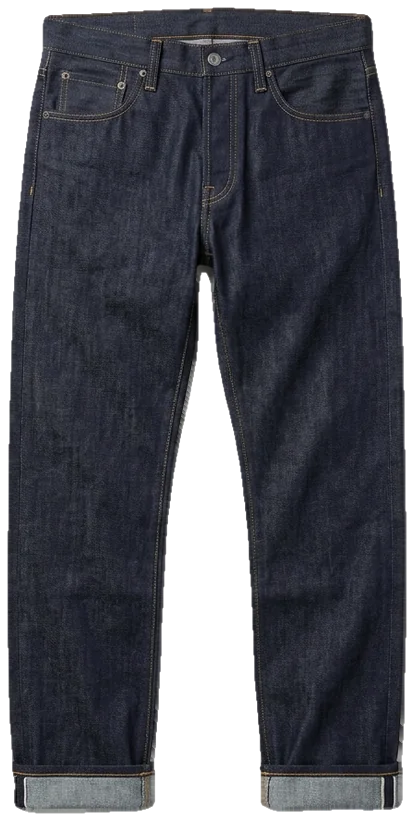
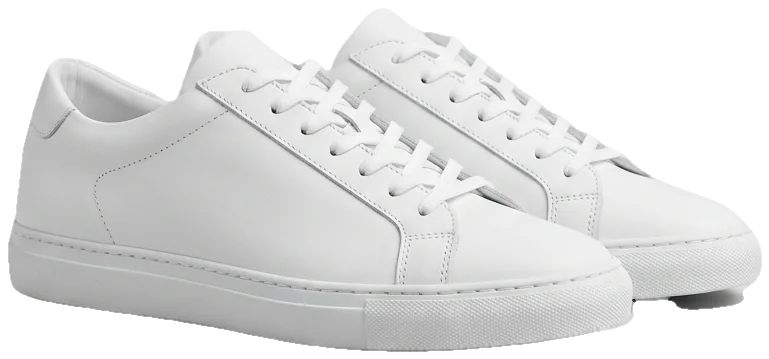
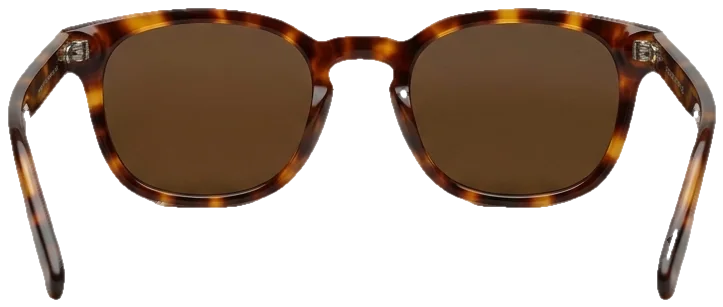
pockets you actually use. it should age well.
You will usually see one of three things:
- They match. Your style is already there. The board helps you refine it and shop more deliberately.
- They share colors but not shapes, or the other way round. Often the gap is one category: you love long coats on the board but own only short jackets. That is a clear, small shopping list.
- They have nothing in common. That is worth thinking about. Sometimes the board is a fantasy that does not fit your days. Sometimes your wardrobe is full of things you bought for a life you do not live anymore. The two boards make the conversation with yourself concrete.
Step 5: test one idea at a time
Style changes stick when you test them in small steps. Pick one idea from the board, like a color, a silhouette or a fabric, and try it before committing. Borrow, thrift, or try pieces on in a shop. A virtual try-on is another quick way to see a garment on your own photo before buying.
See an idea from your board on your own photo
Upload a photo of yourself and a photo or shop link of a garment; FitInView shows you wearing it, so you can test one idea before you buy anything.
Your first try-on is included with a free account. No card needed.
What a personal style board is not
It is not a rule book. Style boards work best as a reference you return to and update, not a uniform you have to obey. Expect it to change with seasons, jobs and moods.
It is also not about flattering your body. Advice about which shapes "suit" which body types is everywhere and rarely agrees with itself. A board is about what you like. Fit, comfort and how you feel in something are things you can only learn by wearing it.
Signs you have found something real
- You can describe your style in a sentence, and a friend would recognize it.
- When you shop, you skip things faster, because they obviously do not belong.
- New pieces go with several things you already own.
- You still like the board a month later.
If the board has settled into a clear look, turn it into a working document: build a color story from it, or start from one of the templates and replace its pieces with your own.